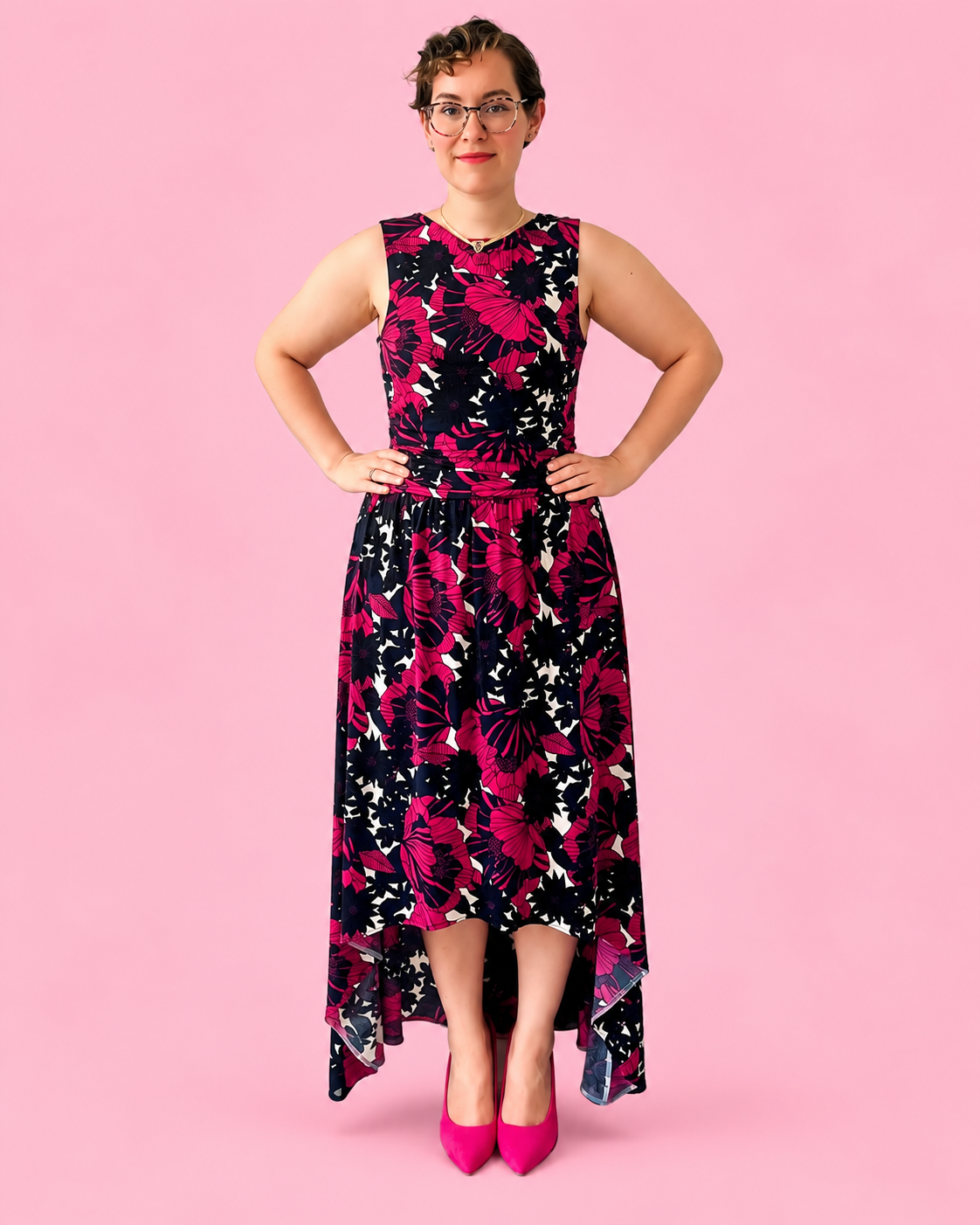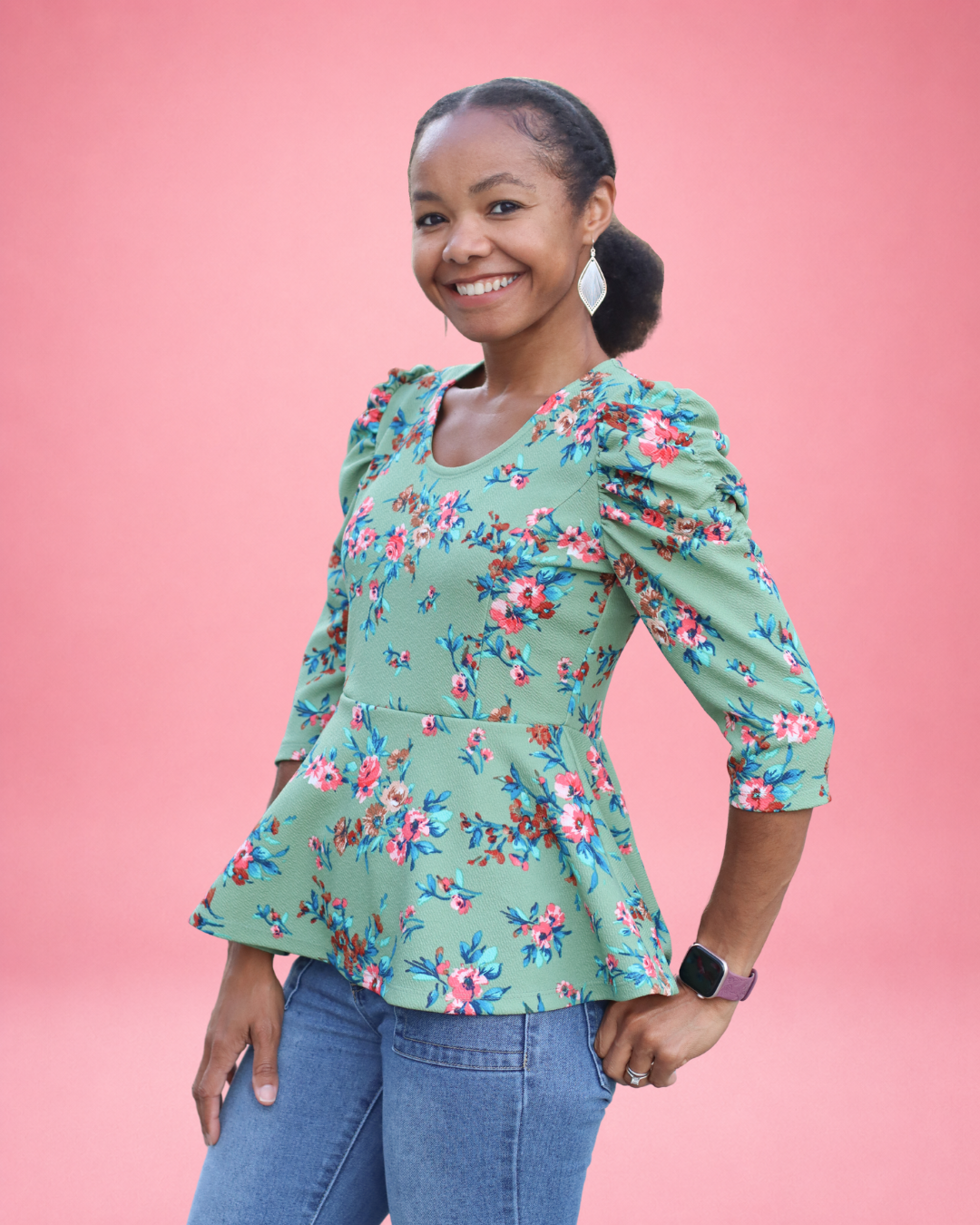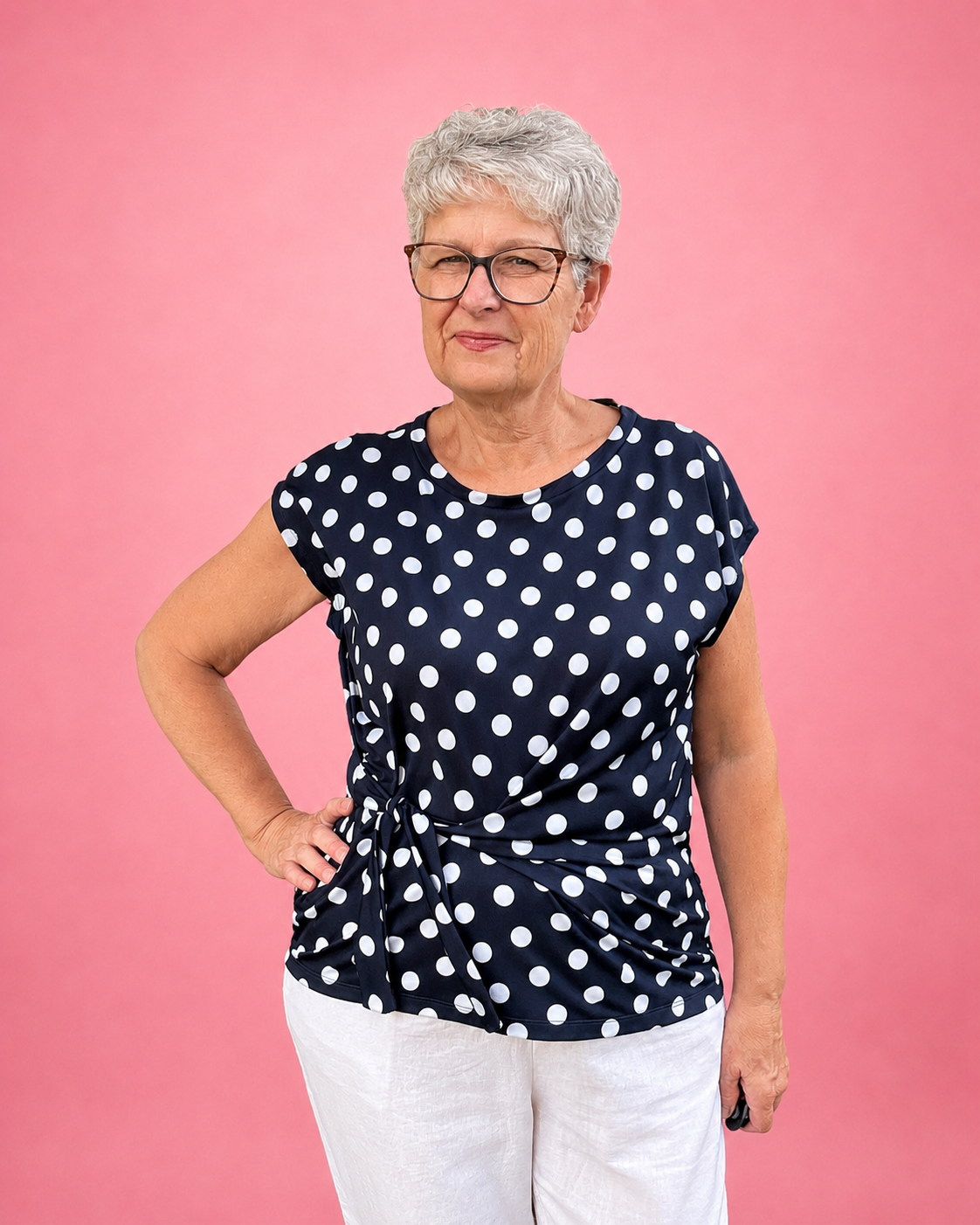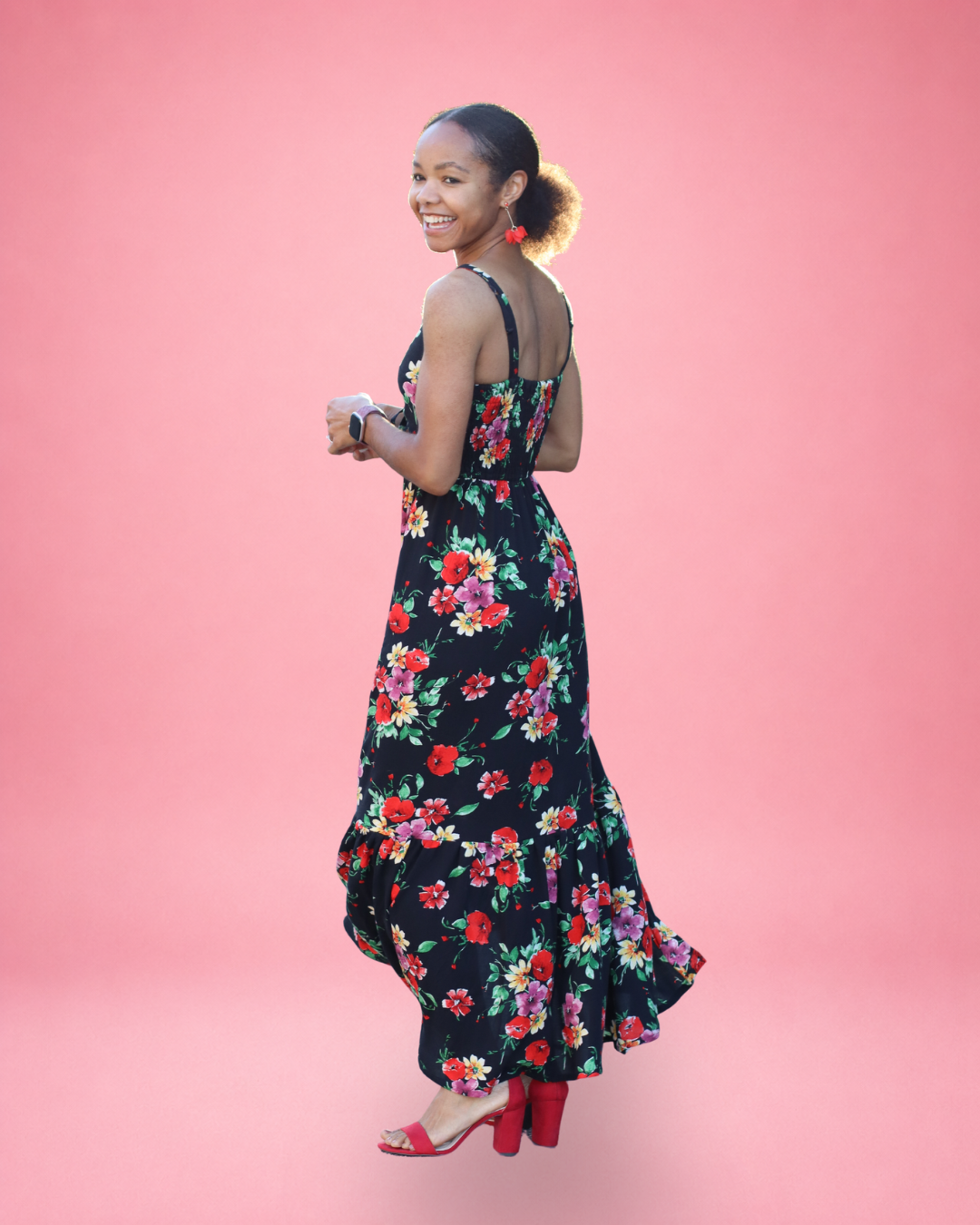

Hi all, you may have seen me around on the E&M Facebook group showing off my makes. I'm Em and I sew mostly children's clothes for my business and son. I also sew my hubby and me a few bits and bobs.
Today I’m going to talk to you about colour blocking. Colour blocking is one of the easiest ways to make handmade clothing look unique while also being practical and budget friendly. Whether you love bold contrast panels, subtle coordinating tones, or simply need a creative way to use up leftover fabric, colour blocking opens up so many possibilities in sewing.
One of the things I love most about colour blocking is that it lets you turn smaller pieces of fabric into something beautiful and wearable. Those leftover scraps from previous projects that are too large to throw away but too small for an entire garment suddenly become useful again. Instead of needing two metres of one fabric, you can combine several coordinating fabrics and create something that looks completely intentional and stylish.
My Top 3 Reasons to Colour Block
1. It Helps Use Up Smaller Pieces of Fabric
Most sewists end up with a growing collection of leftovers. Knit fabrics especially often leave awkward cuts that are difficult to use for future projects. Colour blocking allows you to mix those smaller pieces together into a full garment rather than letting them sit unused in your stash.
Sew Scrappy Hoodie and Top Pattern:
This is especially useful for:
-
Sleeves
-
Bodices
-
Neckbands and cuffs
-
Side panels
-
Pockets
-
Yokes and hoods
Even very small scraps can become accent details.
Kids Raglan Pattern:
2. It Makes a Garment Look Custom
Colour blocking can completely change the look of a pattern. You can use the same pattern and end up with garments that look completely different simply because of fabric placement.
Straight Fit Raglan Pattern:
3. It’s Perfect for Expensive Fabrics
If you only have a small amount of a favourite print or specialty fabric, colour blocking lets you showcase it without needing enough for an entire garment.
Around the Block Hoodie Pattern:

Ellie and Mac Patterns Designed for Colour Blocking
One of the great things about Ellie and Mac Patterns is that many of their designs already include colour blocked pattern pieces. These patterns take the guesswork out of placement and make it easy to combine fabrics successfully.
Chill Tee & Hoodie Pattern: Some of my favourite E&M patterns to use for colour blocking include the following (Pictures shown throughout this post!):
Curvy fit patterns:
Around the block: https://www.ellieandmac.com/products/around-the-block-pattern?aff=2338
Sew Scrappy: https://www.ellieandmac.com/products/sew-scrappy-top-pattern?aff=2338
Kids’ patterns:
Phoenix raglan: https://www.ellieandmac.com/products/phoenix-raglan-color-block-top-pattern?aff=2338
Colour block tie top: https://www.ellieandmac.com/products/kids-colorblock-tie-top-pattern?aff=2338
Around the block: https://www.ellieandmac.com/products/kids-around-the-block-hoodie-pattern?aff=2338
Kids’ raglan: https://www.ellieandmac.com/products/unisex-raglan-top-pattern?_pos=2&_sid=e504993d0&_ss=r?aff-2338
Straight fit patterns:
Straight fit raglan tee: https://www.ellieandmac.com/products/straigth-fit-raglan-top-pattern?_pos=1&_sid=e504993d0&_ss=r?aff=2338
Chill tee and hoodie: https://www.ellieandmac.com/products/chill-tee-hoodie-pattern?_pos=1&_sid=cedb18ad6&_ss=r?aff=2338
Patterns designed specifically for colour blocking are ideal if you want a polished result without having to alter the pattern yourself.
When choosing fabrics, remember that the garment will look most cohesive if the fabrics have similar weight, stretch, and drape. This is especially important with knit fabrics.
Around the Block Hoodie Pattern (adult):
How to Turn Any Pattern into a Colour Blocked Pattern
The fun thing about colour blocking is that you are not limited to patterns designed for it. Almost any sewing pattern can become a colour blocked garment with a little planning.
1. Draw Seam Lines on the Pattern
Start by looking at your pattern piece and deciding where you want the colour changes to happen. Some easy options are:
-
Horizontal chest lines
-
Waist seams
-
Diagonal panels
-
Sleeve sections
-
Side panels
Use a ruler or curved ruler to sketch the new seam lines directly onto the pattern.
2. Cut the Pattern Apart
Once you are happy with the design, cut along the new seam lines to separate the sections into individual pattern pieces.
3. Add Seam Allowance
This is the important step people often forget.
Because you cut the pattern apart, you now need to add seam allowance back onto each new edge. Add the same seam allowance your pattern uses (commonly 1/4" in E&M patterns).
Label your pieces clearly so you remember which sections connect together.
4. Sew the Sections Together
Sew the colour blocked sections together first, press the seams well, and then treat the newly assembled piece as a single pattern piece while constructing the garment. You can also optionally topstitch the seams so they lie flatter.
Here I’ve used the Lakeisha dress pattern and colourblocked the skirt.
Lakeisha Cottage Top and Dress Pattern:
Creating Fabric from Scraps
One of the most creative ways to colour block is to build your own fabric from scraps before cutting out your pattern piece.
This technique is fantastic for using very small leftovers that would otherwise be unusable.
How to Make Scrap Fabric
1. Sort Your Scraps
Choose scraps that work well together. You can coordinate by:
-
Colour palette
-
Print style
-
Fabric type
-
Tone or contrast
Try to keep the fabric composition and stretch similar if sewing garments.
2. Sew Small Pieces Together
Start sewing scraps together into larger sections. You can:
-
Sew random patchwork pieces
-
Create strips
-
Use geometric shapes
-
Make improv quilt-style layouts
Press seams as you go to keep everything flat (optionally topstitch as well).
3. Build a Piece Larger Than Your Pattern
Continue adding pieces until your fabric is slightly larger than the pattern piece you need to cut out.
A good tip is to place your pattern piece on top occasionally to check sizing.
4. Cut Your Pattern Piece
Once your patchwork fabric is complete, treat it just like regular fabric and cut your pattern piece from it.
For the hood of this around the block, I patchworked together the fabric by using the above technique. It took time and patience, but I think you’ll agree the end result was worth it!
Kids Around the Block Hoodie Pattern:
Tips for Successful Colour Blocking
-
Balance busy prints with solids
-
Use colours with similar tones for a cohesive look
-
Consider the direction of stretch in knit fabrics
-
Press seams carefully for a professional finish
-
Topstitch seams
-
Lay out all fabrics together before sewing
Kids Color Block Tie Top Pattern:
Final Thoughts
Colour blocking is one of the most versatile sewing techniques because it combines creativity with practicality. It allows you to stretch your fabric stash further, rescue smaller leftovers, and create garments that feel completely unique.
Whether you choose an Ellie and Mac pattern already designed for colour blocking or create your own custom panels, it’s a fantastic way to experiment with colour, texture, and print combinations while making the most of every piece of fabric.
Phoenix Raglan Tee Pattern (Kids):
- Written by Em Stevens